All Categories
Featured
Before diving into the restoration procedure, it's important to conduct a thorough evaluation of your yard's current condition. Stroll through your backyard and bear in mind of areas that might need attention. Try to find indications of wear and tear, such as bare patches, uneven development, or the presence of weeds. Understanding the existing concerns will help tailor your renovation strategy to deal with particular requirements.
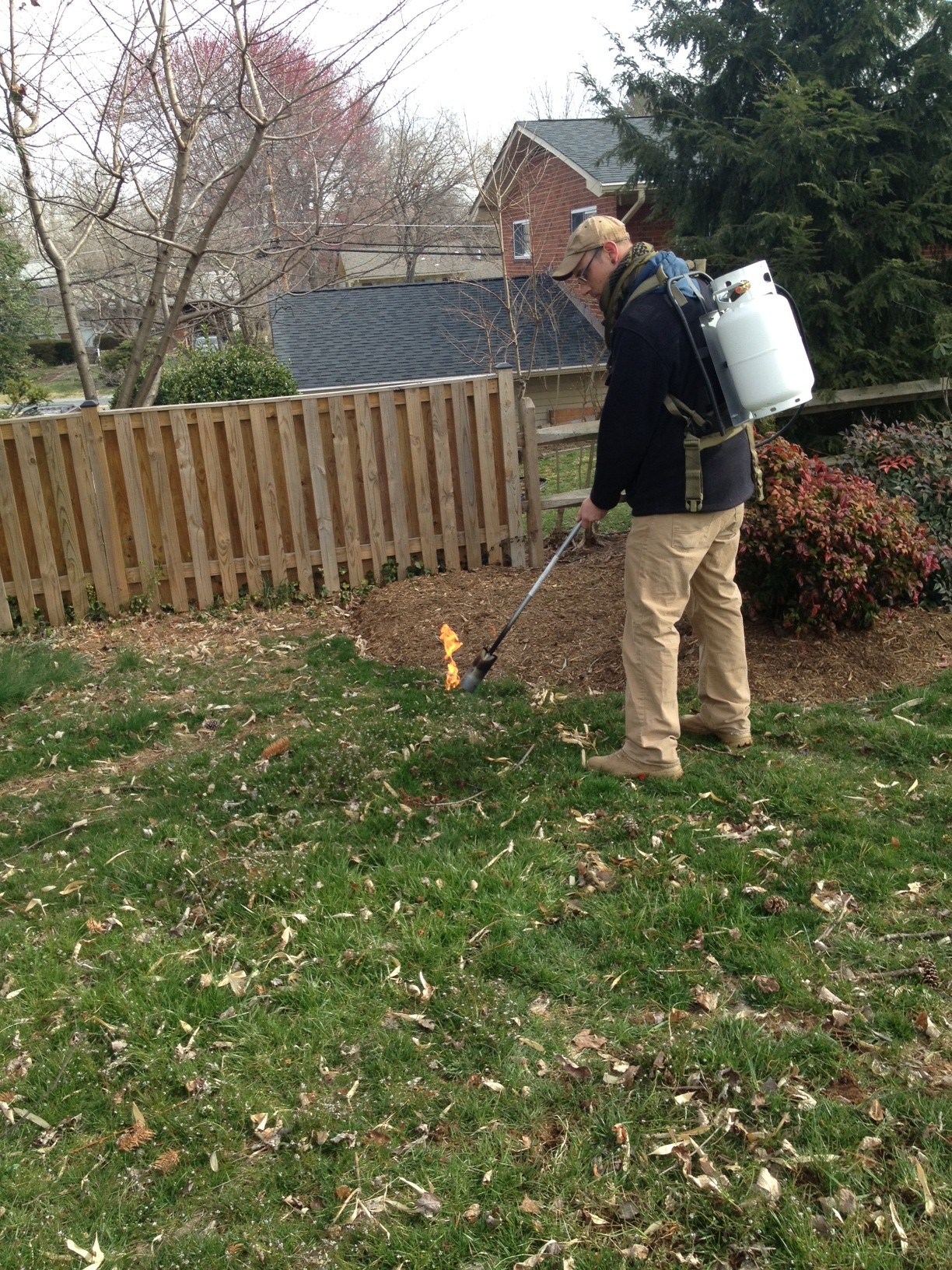
Determining the types of weeds present will assist your weed control technique throughout renovation. Bare patches: Locate areas where the yard is sparse or absent.
Unseen Helpers: Why Soil Microbiomes Matter for GrassTo create a customized strategy for your yard's dietary requirements, perform a soil test. Understanding the soil structure helps identify the right fertilizers and modifications needed for optimal plant growth.
Unseen Helpers: Why Soil Microbiomes Matter for GrassAdvanced Scientific Practices for Sustainable Lawn Density
mysoil-starter-pack Related: Define objectives: Lay out the goals you wish to accomplish through the remodelling. Whether it's improving the total look, attending to particular problems like bare spots, or boosting the yard's resilience, clear goals will assist your restoration strategy. Think about long-term sustainability: Believe beyond immediate cosmetic modifications. Consider how your restoration can add to your lawn's long-lasting health and sustainability.
Think about the expenses associated with acquiring quality lawn seeds or sod, fertilizers, soil changes, and any necessary equipment like aerators or spreaders. Additionally, aspect in the potential expenditure of professional services or specialized tools if your task warrants them. While it might be tempting to cut corners to decrease costs, purchasing top quality seeds, fertilizers, and soil modifications is crucial for the long-lasting success of your lawn.
Beyond the immediate expenses, also consider the long-term cost savings that an effective restoration can bring. A well-kept yard typically requires less maintenance and corrective steps with time, potentially lowering future costs. Research local ranges: Different lawn ranges prosper in particular climates. Research turf types appropriate to your area, thinking about elements like temperature, sunshine, and soil conditions.

Latest Posts
Why Would You Opt For An Amsterdam Romance Advisor Over Doing It Alone?
How to Improve Your Soil Health Organically
Key Strategies for Improving Lawn Soil Condition