All Categories
Featured
Table of Contents
We utilize cookies to ensure that we give you the finest experience on our website. If you continue to utilize this site we will assume that you are delighted with that. OK
Artificial fertilizers may be fast-acting but they include a price So it's finally cool for mainstream America to go green. Organic, eco-friendly items are appearing all over, from what we put in our gardens to the clothes we endure our back. Some organic options require very little idea, such as choosing organic carrots for instance.
What does the farmer or you as a garden enthusiast choose to fertilize and grow food organically? Admit it. Now that you have actually decided to grow green, you're as confused as the next guy when it pertains to in fact understanding what fertilizer to purchase. The list of concerns builds as you stand in front of the natural gardening area, blankly looking at the increasing choices of bagged and bottled fertilizer.
Promoting High Turf Health in Hot Conditions
All plants receive their nutrients in chemical form. They can not distinguish in between how the nutrient was derived, whether organic or non-organic. When describing plant nutrition, organic or natural normally refers to any fertilizer which is obtained from plant, animal or mineral origin. It should have one or more vital nutrients for plant growth.
They are made to deliver nutrients rapidly, such as those that are water-soluble, or over time as a controlled release. Although really efficient for providing fast or extended periods of feeding, these have a high salt index. The possible risk to plants and the soil food web is burning and dehydration with the leeching of unabsorbed chemicals into waterways.
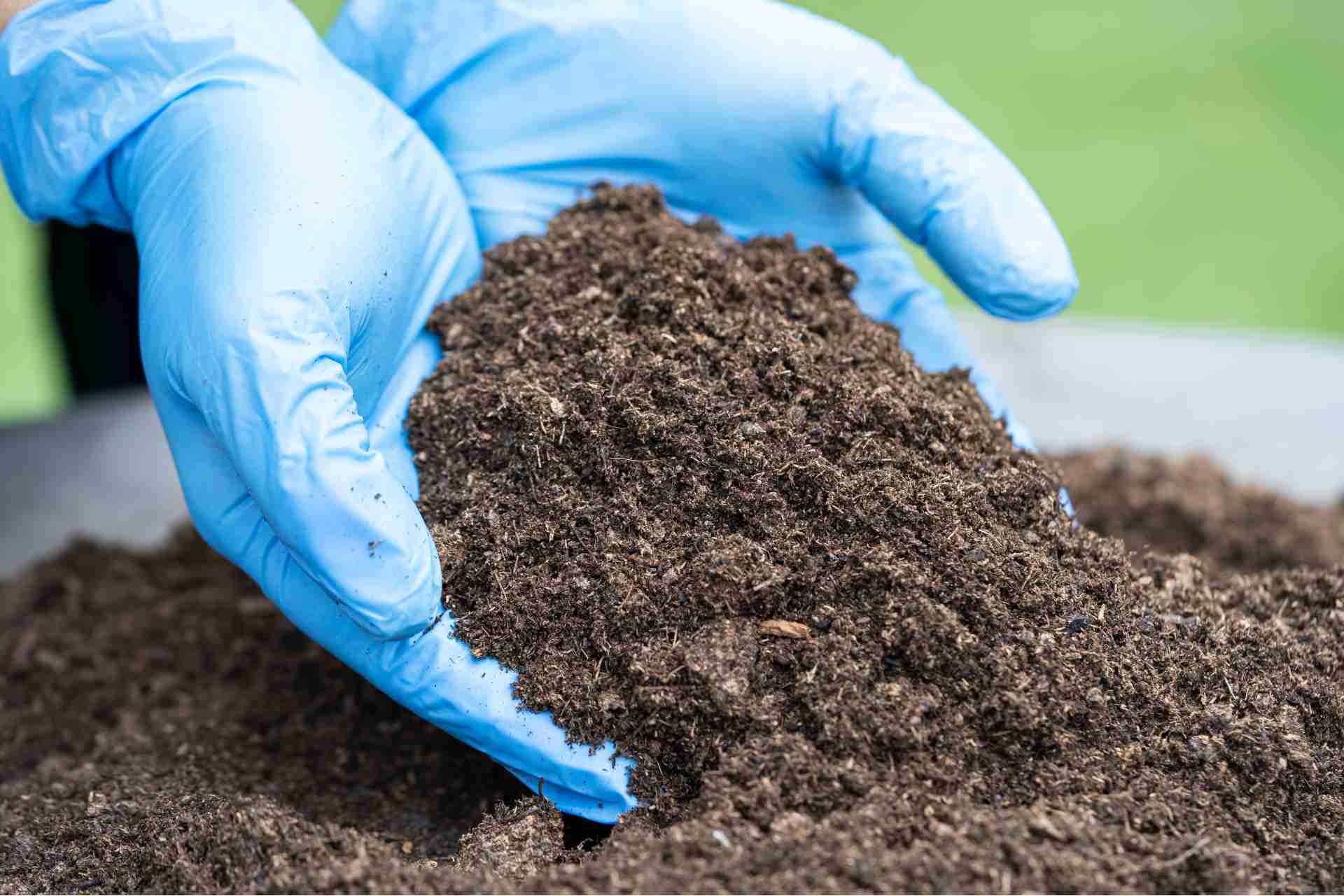
This procedure likewise produces humus, an essential active ingredient to improving soil structure. As part of this structure, naturally obtained nutrients are extremely resistant to leeching and contain a really low salt index. The net outcome is nutrients that remain in the soil till used by plants and little risk of burning or dehydration, even in periods of extreme dry spell or over application.
These are the primary nutrients that are needed in the biggest amount by the plants. These numbers represent the portion of nitrogen, phosphorus and potassium discovered in each package. Nitrogen is mainly responsible for energetic development and dark green color. Phosphorus plays a significant role in the root advancement and flowering.
Based upon what you are trying to accomplish for your plant's growing success will usually figure out which fertilizer to purchase. That choice is based upon the numbers referred to above. When in doubt, a great option is to pick a well balanced product, one with an equal portion of all primary nutrients, such as 10-10-10.
Effective Green Lawn Care Tips for Your Gardener
Synthetic fertilizers are typically noted simply by their numbers (like 10-10-10 above), since they are produced chemicals. Organic options nevertheless are often listed mostly by what they actually are, such as blood or bone meal. Someplace on that bundle, you'll find those all crucial three numbers which is the key to understanding what function that product will play in your garden.
Nitrogen: Dried blood, blood meal, cottonseed meal, fish emulsion and seaweed extract Phosphorus: Bone meal, rock phosphate Potassium: greensand, sulfate of potash In addition to the three main nutrients noted above, there are 12 other aspects thought about essential for plant development that are taken in from the surrounding soil. Organic soil modifications are an easily offered way to supply all of these components too.
Choosing the Ideal Grass Seed for Sunny YardsStrategic Turf Renovation Tips for DensityI discover that to be a safe, efficient and environmentally accountable approach to gardening. Joe Light'l is the Host and Executive Producer of the award winning PBS television series Growing A Greener World. Off electronic camera, Joe dedicates his time to promoting sustainability through his popular books, blog site, podcast series, and nationally syndicated newspaper columns.
These 10 fertilizers come from natural sources and can help improve the fertility of your soil and the nutrition of your crops. Before you add a fertilizernatural or otherwiseto your garden bed, it's advised that you have your soil evaluated for nutrient levels and pH. It's specifically crucial to understand the pH level before adding phosphorous fertilizers because phosphorous is only readily available at a relatively minimal pH range.
Choosing the Ideal Grass Seed for Sunny YardsStrategic Turf Renovation Tips for DensityNot too point out, extreme nutrients can add to run-off problems and develop pollution problems. If you're an natural farmer, make certain the fertilizer brands you utilize are on the Organic Materials Review Institute's authorized materials list. For home gardeners or small-scale farmers who aren't accredited natural but want to use only natural fertilizers, all of the following fertilizers are considered organic, even if the particular brand you utilize isn't on the list.

Latest Posts
Why Would You Opt For An Amsterdam Romance Advisor Over Doing It Alone?
How to Improve Your Soil Health Organically
Key Strategies for Improving Lawn Soil Condition